
Use the search engine below to find a specific content.
PVS Pathway
The PVS Pathway for the sustainable improvement of national Veterinary Services and Aquatic Animal Health Services is our flagship capacity building programme. An independent and in-depth monitoring mechanism of the performance of these Services makes it possible to identify their strengths and areas for improvement, and to recommend solutions specifically adapted to each country for sustainable improvement and investment.
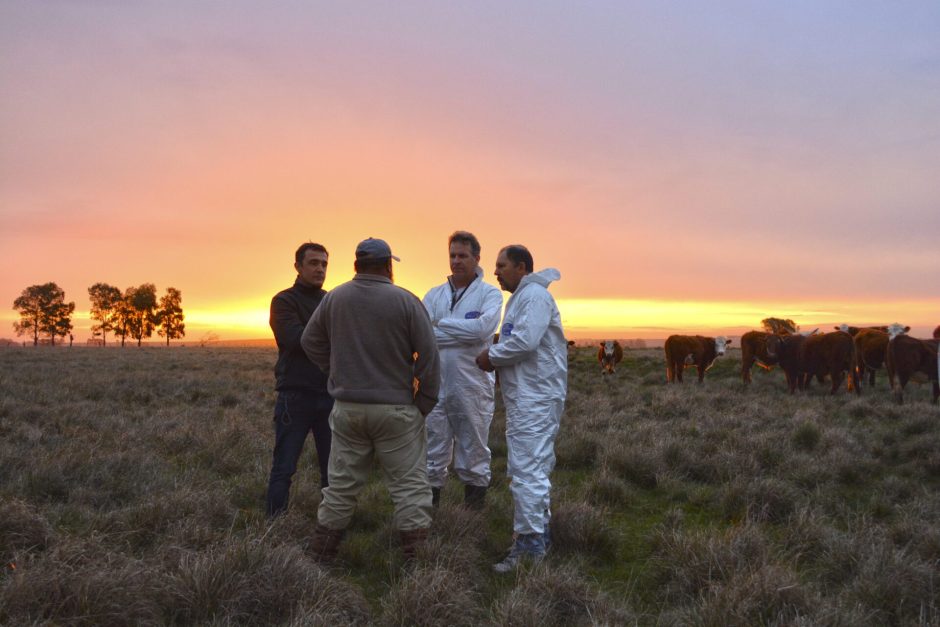
The Performance of Veterinary Services (PVS) Pathway empowers national Veterinary Services and Aquatic Animal Health Services by providing them with an extensive understanding of their strengths and weaknesses using a globally consistent methodology based on WOAH international standards on animal health and welfare. It provides a useful external perspective that can reveal gaps, inefficiencies and opportunities for innovation.
How can the PVS Pathway benefit Veterinary Services?
The PVS Pathway is a comprehensive, staged approach providing a series of sequential capacity building activities for the systematic strengthening of Veterinary Services and Aquatic Animal Health Services.
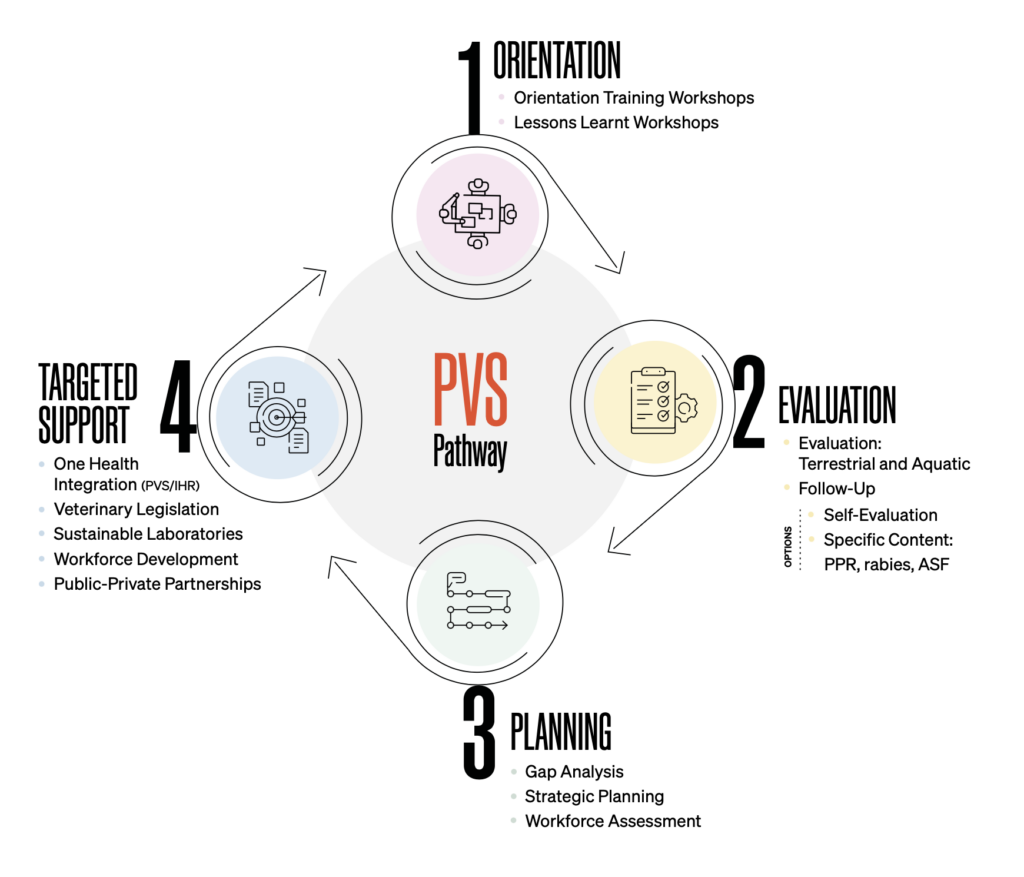
As an evolving, cyclical and voluntary process, the PVS Pathway encourages continuous learning and improvement within national Veterinary Services throughout its four stages – orientation, evaluation, planning and targeted support. This assessment-based system also aims to support national Veterinary Services’ capacity to comply with WOAH international standards.
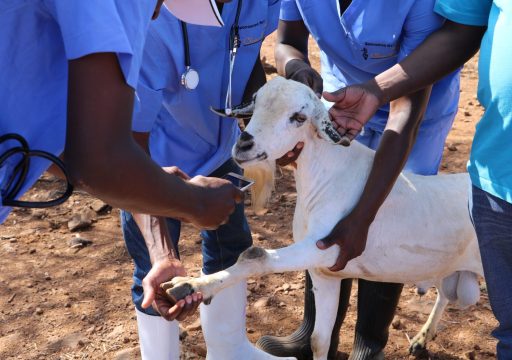
A major output of many PVS activities is a report containing rich data and insights, presenting an objective evaluation of the performance of the Veterinary Services, depending on a particular topic of interest. The findings are endorsed by the country and the report may be made publicly available depending on the country’s preference.
To date, more than 140 countries have engaged in the PVS Pathway.
Consult the dashboards below for more details.
How does the PVS Pathway work?
Activities in the PVS Pathway are implemented based on standardised approaches and methodologies that include external expert-led, in-depth field missions that review all available documentation. The WOAH-trained experts meet with stakeholders ranging from ministers to farmers raising livestock, and dedicate time to observe field sites and operations, including in remote areas, and visit key facilities such as laboratories, border posts, and slaughterhouses.
With its focus on aligning the quality of all countries’ Veterinary Services and measuring their progress against objective criteria based on WOAH international standards, the PVS Pathway examines each country’s unique challenges and advantages to support the Veterinary Services’ continuous improvement, even in low-resource settings.
The PVS Pathway can provide tailored support to countries’ needs by targeting specific priority subjects at their request, such as peste des petits ruminants, rabies, African swine fever or antimicrobial resistance.
Some key characteristics of the PVS Pathway:
- Broad-based systems approach
- Voluntary, country-driven process
- Longer term strategic focus (5-10 years)
- Participatory, supportive and collaborative process, rather than being directive or presenting a risk to countries
- Independent, third-party expertise
- Triangulated evidence from documentation, stakeholder interviews, and first-hand observation
- In-depth examination of institutional competencies and performance
How can Veterinary Services use the insights and data from the PVS Pathway?
The data and insights developed throughout the PVS Pathway enable countries to take ownership and prioritise improvements to their animal health systems. They can use these findings to advocate for additional investment and sustainable funding, both from their governments and international or bilateral donors, to support more resource-intensive investments. The information gathered in the PVS reports notably includes an analysis of the legal and regulatory matters that may impact the entire veterinary domain, as well as the availability of and need for human, financial and physical resources to ensure quality and compliance with WOAH international standards.
-

Success Story
The PVS Pathway reports: tools for advocacy
Resource partners can benefit from engagement with the PVS Pathway by using its outputs, particularly the PVS Pathway reports, data and recommendations, in partnership with the host country, to guide the design and implementation of development programmes in support of stronger Veterinary Services and Aquatic Animal Health Services. Such programmes aim to improve access to new markets, for instance; more broadly, they contribute to stronger and more resilient overall health systems for improved pandemic preparedness.
Contact
Capacity Building Department
The first steps of the PVS Pathway intend to establish a picture of a country’s situation, identify its strengths and weaknesses, and make recommendations for improvement and investment. The regular monitoring of its progress allows each country engaged in the programme to set national priorities and targets, to define activities and cost them, and then to benefit from tailored solutions.
Evaluation
The Evaluation stage is the central element of the PVS Pathway. The PVS Evaluation allows an in-depth evaluation of the performance of the national Veterinary Services or Aquatic Animal Health Services and serves as a baseline to then undertake continuous monitoring over time using the PVS Evaluation Follow-Up approach.
Initial PVS Evaluation
Comprising an in-depth field mission, the initial PVS Evaluation delivers a thorough, qualitative assessment of the performance of a country’s Veterinary Services, identifying their strengths and weaknesses, making recommendations for improvement and investment, and assessing their compliance with WOAH international standards. Conducted by a group of WOAH-trained experts, this independent evaluation aims to collect and analyse documentation and evidence. Its final output is a comprehensive assessment report, providing a complete overview of the Veterinary Services’ condition, evaluating their performance based on our international standards. The insights from these reports will also be available and accessible in the PVS Information System by Members, partners and donors for use in advocacy and investment efforts.
In addition, specific approaches and content are proposed to ensure the tailored engagement for each country:
Evaluation of Aquatic Animal Health Services (AAHS)
In recognition of the importance of good governance of the national AAHS, WOAH has developed a methodology to evaluate their performance, whether those services are the responsibility of the Veterinary Authority or of another Competent Authority.
Evaluation with Specific Content
Recognising the importance of global priority diseases and issues, such as peste des petits ruminants, rabies and African swine fever, Members can request a supplement to the traditional Evaluation approach (in the form of a specialised report annex).
Ensuring consistent assessments: the PVS Tools
All PVS Evaluation and Follow-up missions follow the same methodological approach: independent experts systematically evaluate 45 Critical Competencies (CCs) listed in the PVS Tool and the 47 CCs listed in the PVS Tool – Aquatic via documentation, interviews and observation.
PVS Evaluation Follow-Up mission
This step serves to monitor progress made, such as changes in legislation, technical capacities, or challenges confronted, using standardised methods. Using the initial PVS Evaluation as baseline performance, and considering any goals established during a PVS Gap Analysis, the Follow-up mission also takes into account any other PVS Pathway activities undertaken in the country.
PVS Evaluation missions
PVS Evaluation Follow-Up missions
Consult the dashboards below to see how our Members have engaged in monitoring their progress in compliance with WOAH international standards through the PVS Pathway.
Planning
Which strategies should national Veterinary Services develop to improve animal health and welfare within their territories? Which investments should be prioritised to strengthen the veterinary workforce and resources? The PVS Gap Analysis aims to answer these questions by providing detailed recommendations based on the conclusions of the PVS Evaluation and targets established by national authorities.
This exercise seeks to support national authorities to identify national priorities and targets for performance for each relevant Critical Competency. The Veterinary Services, supported by a team of independent experts, develop relevant strategies, actions and investments to achieve them are costed to meet established targets.
The PVS Gap Analysis report can be used as an advocacy tool when advocating for relevant national and international financial support. The most effective and sustainable success stories among Members arises from properly internalising PVS reports, insights, and results within annual government budgeting and planning processes. For countries who find this approach useful, the PVS Gap Analysis Update can be conducted on a regular basis to redefine targets after a PVS Evaluation Follow-up mission, ensuring a harmonious cycle for continuous improvement of the Veterinary Services.
Following a PVS Gap Analysis or PVS Evaluation Follow-Up mission, Members may request WOAH a Strategic Planning Workshop. This workshop supports the incorporation of PVS Pathway inputs within the strategic planning cycle at the animal health, livestock, agricultural, or health security sector level. Using the PVS Gap Analysis report as the basis, and with broader stakeholder consultation, a national strategic planning template is developed and agreed on via this workshop with independent expertise and WOAH’s support.
Further support
Based on PVS Evaluation and PVS Gap Analysis results since the inception of the programme in 2006, WOAH has identified gaps at the global level as priorities for specific and focused capacity building activities. To address these gaps, it has developed a suite of Targeted Support activities as further options for PVS Pathway engagement for its Members.
These steps are driven by Members and are undertaken upon their request, according to their priorities and time-bound needs. While some countries prefer to engage in each stage of the PVS Pathway with extensive and overarching actions across many areas of the veterinary domain, others may select only specific and targeted stages to support their competencies over time.
Regardless of their choice, the PVS Monitoring Cycle—the PVS Evaluation, Gap Analysis, and Follow-Up mission cycle—is designed to support progress monitoring and target setting over time. It measures the collateral investment and progress of countries’ and their partners’ combined efforts for improved health security and pandemic preparedness.
How can WOAH Members prepare to engage in the PVS Pathway?
Ensuring that countries are well prepared is a critical prerequisite for their successful engagement in the PVS Pathway. This enables countries to leverage all the efforts deployed by Veterinary Services to improve their performance.
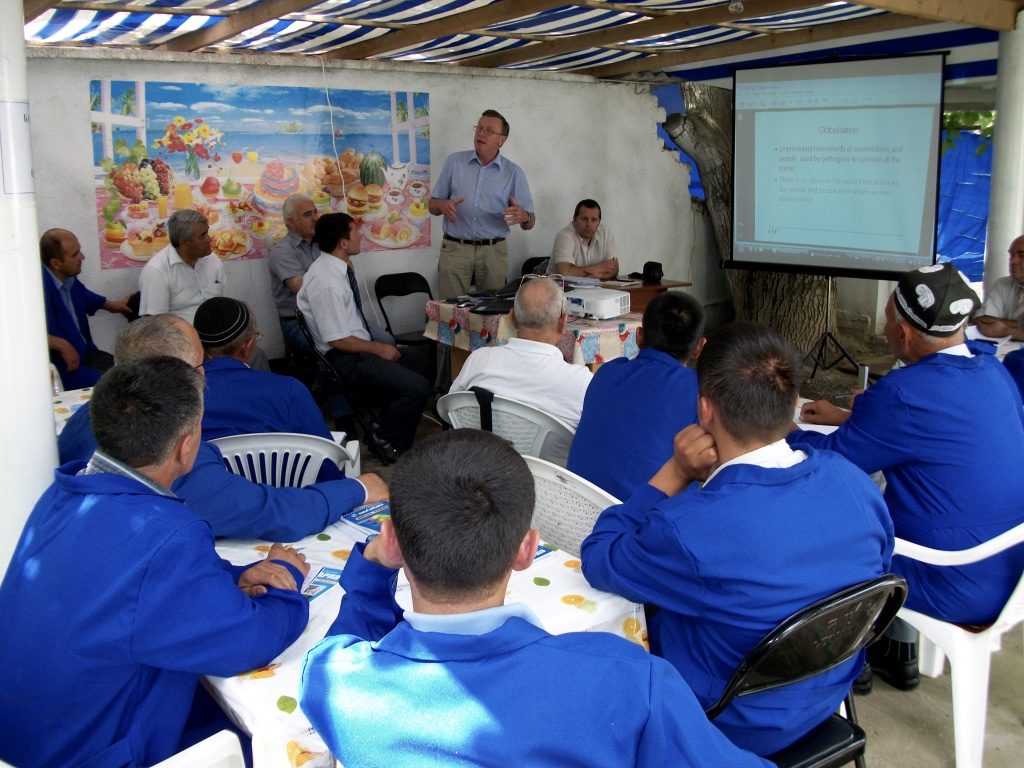
PVS Orientation workshops aim to provide Members with an improved understanding of the benefits of the PVS Pathway and to prepare them for its numerous activities. Conducted at national, sub-regional, and regional levels, these interactive trainings incorporate theory, practice and planning to help countries better identify their needs for performance monitoring and capacity building support. Orientation workshops guarantee a higher quality of the information made available, as well as the analyses conducted throughout the process, all of which is reflected in the mission reports. Furthermore, they constitute a rich opportunity to develop regional networks of PVS expertise within Veterinary Services.
Once countries have experienced several stages of the PVS Pathway, they can participate in Lessons Learnt workshops which focus on key lessons, insights, report analysis and the facilitation of sub-regional planning exercises. Especially valuable for regional and sub-regional efforts, these workshops aim to update engagement as part of the Veterinary Services’ cycle of continuous improvement.
Contact
Capacity Building Department
Once countries’ needs and priorities have been accurately identified through the initial steps of the PVS Pathway, a broad spectrum of training and support programmes can be proposed to national Veterinary Services. This support may be very specific; for example, providing technical advice on legislation or diagnostic laboratories. It can also be applied to more global aspects, such as coordination mechanisms with public health services.
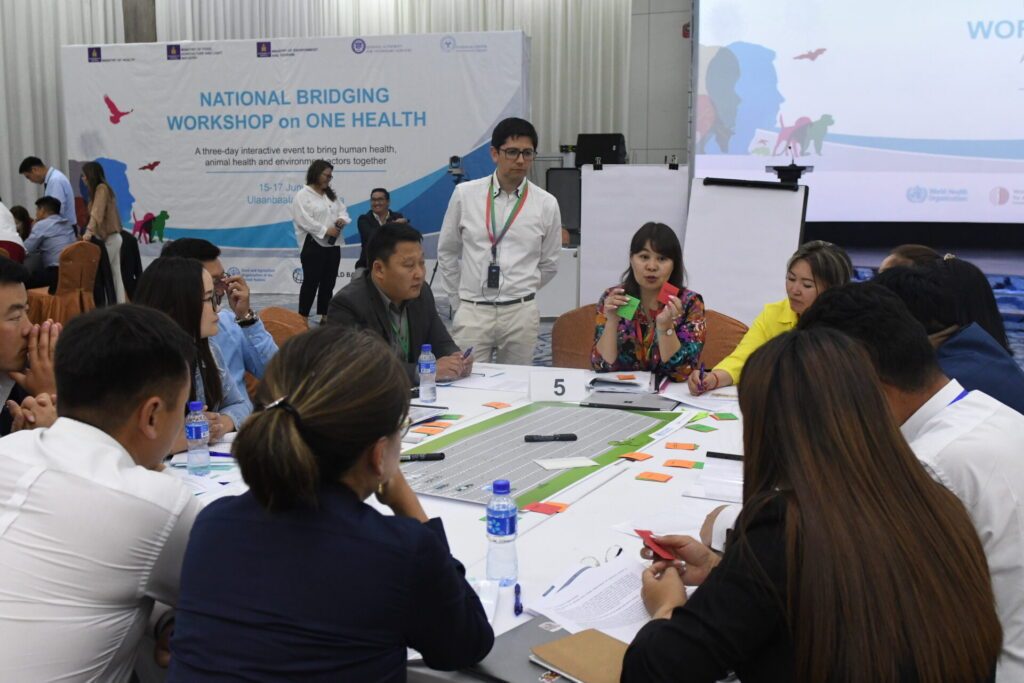
One Health capacity building
Intersectoral collaboration is essential for managing health risks at the human−animal interface. Organised in partnership with the World Health Organization (WHO) and the Food and Agriculture Organization of the United Nations (FAO), the National Bridging Workshops aim to operationalise the One Health approach at national level by creating synergies between the animal health and human health sectors.
Veterinary Legislation Support
As an essential element of a nation’s infrastructure, veterinary legislation provides the powers necessary for Veterinary Authorities to ensure animal and public health. The Veterinary Legislation Support Programme (VLSP) aims to identify gaps and weaknesses in national veterinary legislation, and to assist Members in revising or developing new legislation.

Sustainable Laboratories Support
By contributing to disease surveillance, detection and control, laboratories support health systems and reduce risks posed to animal, human and environmental health. Sustainable Laboratories missions provide an in-depth analysis of the efficiency and sustainability of the national veterinary laboratory network and provide elements for national authorities to develop the case for investment.
Veterinary Workforce Development
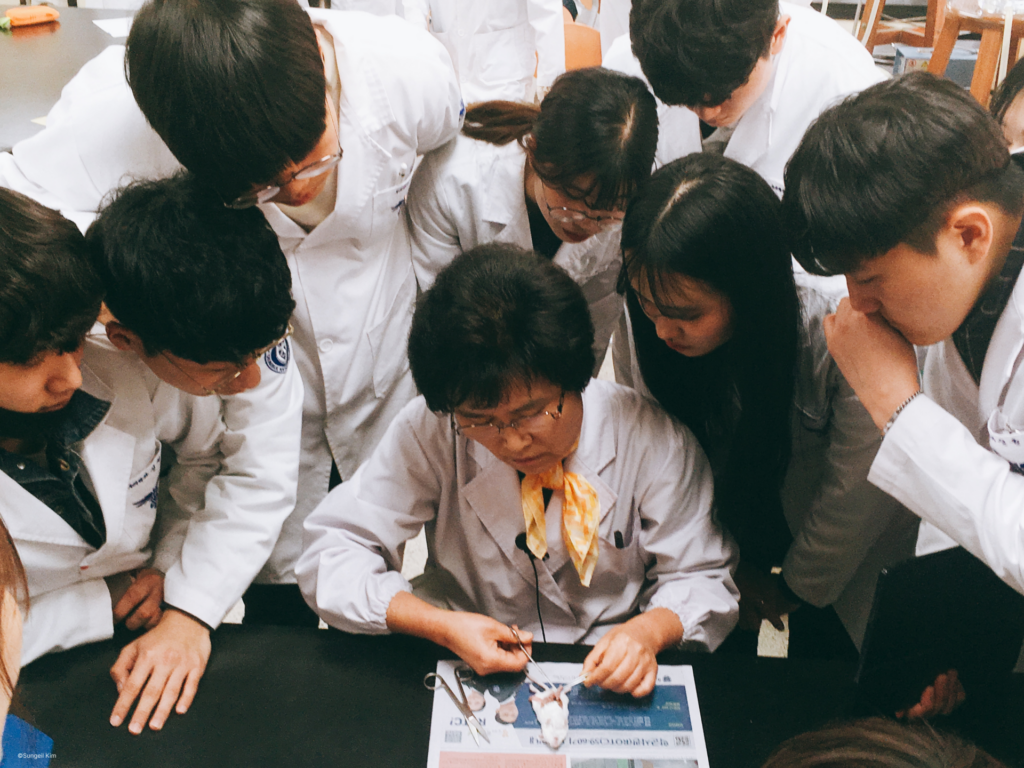
An adequate, well-trained veterinary workforce is essential to ensure the health and well-being of animals and the people who depend on them. To carry out their mission effectively, Veterinary Services need adequate numbers of qualified staff, working in a positive, enabling environment. WOAH supports its Members in assessing their workforce needs and in establishing appropriate regulatory, educational and training frameworks to prepare and deploy veterinary personnel across public and private sectors.
Public-Private Partnerships
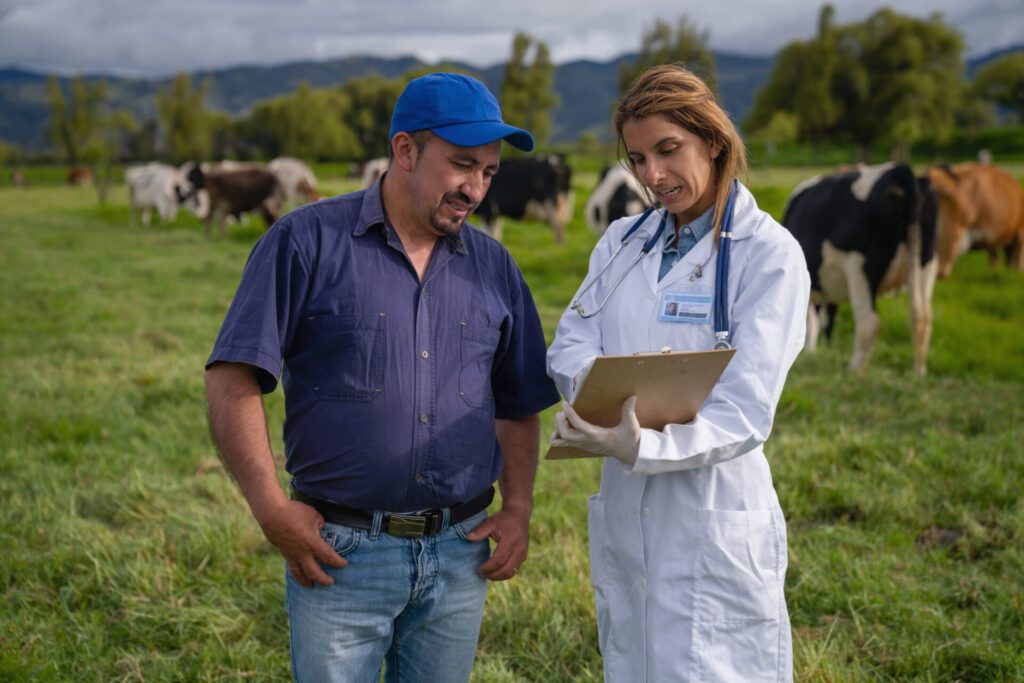
To strengthen the effectiveness of Veterinary Services in the long term, collaborations between the public and private sectors are invaluable. This partnership mechanism enables the pooling of resources and creation of synergies. To help its Members explore, plan and implement such collaborations, WOAH has developed dedicated guidelines, online courses and an open-access database on Public-Private Partnerships.
PVS Tools
-
 .pdf – 2 MB See the document
 -
.pdf – 1 MB See the document
Guidelines
-
 .pdf – 388 KB See the document
 -
.pdf – 3 MB See the document
-
.pdf – 782 KB See the document
-
.pdf – 3 MB See the document
-
.pdf – 4 MB See the document
-
.pdf – 426 KB See the document
Documentation
-
 .pdf – 396 KB See the document
 -
.pdf – 529 KB See the document
-
.pdf – 1 MB See the document
-
.pdf – 85 KB See the document

PVS Reports
PVS Reports which are released for public distribution are available to consult. At the time of finalisation of each PVS Report, WOAH Delegates are invited to choose the level of confidentiality they wish to attribute to each PVS Report. Other reports are released to be shared with WOAH Partners & Donors only, or are designated as confidential with no distribution permitted, or may be shared through diplomatic channels to assist in their advocacy efforts. WOAH respects the level attributed to each report by the Delegate and encourages greater transparency in the performance of veterinary services for better compliance with international standards and improved access to markets.
Evaluation
-

Report, PVS Pathway, Evaluation
Central African Republic (2022)
.pdf – 2 MB See the document -
Report, PVS Pathway, Evaluation
Chinese Taipei (2019)
.pdf – 6 MB See the document -
Report, PVS Pathway, Evaluation
Colombia: Aquatic (2019)
.pdf – 2 MB See the document -
Report, PVS Pathway, Evaluation
Republic of the Congo (2019)
.pdf – 2 MB See the document -
Report, PVS Pathway, Evaluation
India (2018)
.pdf – 4 MB See the document -
Report, PVS Pathway, Evaluation
Canada (2017)
.pdf – 4 MB See the document -
Report, PVS Pathway, Evaluation
Japan (2016)
.pdf – 7 MB See the document -
Report, PVS Pathway, Evaluation
Turkey (2016): Aquatic
.pdf – 3 MB See the document
Evaluation Follow-up
-
Report, PVS Pathway, Evaluation follow up
Mauritania (2019)
.pdf – 2 MB See the document -
Report, PVS Pathway, Evaluation follow up
Rwanda (2019)
.pdf – 3 MB See the document -
Report, PVS Pathway, Evaluation follow up
Botswana (2019)
.pdf – 4 MB See the document -
Report, PVS Pathway, Evaluation follow up
Niger (2019)
.pdf – 2 MB See the document -
Report, PVS Pathway, Evaluation follow up
Nigeria (2019)
.pdf – 3 MB See the document -
Report, PVS Pathway, Evaluation follow up
Chad (2019)
.pdf – 7 MB See the document -
Report, PVS Pathway, Evaluation follow up
Togo (2019)
.pdf – 3 MB See the document -
Report, PVS Pathway, Evaluation follow up
Tajikistan (2017)
.pdf – 3 MB See the document
Gap Analysis
-
Report, Gap Analysis
Guinea Bissau (2019)
.pdf – 7 MB See the document -
Report, Gap Analysis
Kyrgyzstan (2018)
.pdf – 4 MB See the document -
Report, Gap Analysis
Senegal (2018)
.pdf – 4 MB See the document -
Report, Gap Analysis
Vanuatu (2017)
.pdf – 7 MB See the document -
Report, Gap Analysis
Chad (2017)
.pdf – 5 MB See the document -
Report, Gap Analysis
Colombia (2016)
.pdf – 3 MB See the document -
Report, Gap Analysis
Swaziland (2015)
.pdf – 12 MB See the document -
Report, Gap Analysis
Bangladesh (2015)
.pdf – 8 MB See the document
Veterinary Legislation
-
Report, Veterinary Legislation
Sudan (2016)
.pdf – 5 MB See the document -
Report, Veterinary Legislation
Chad (2016)
.pdf – 3 MB See the document -
Report, Veterinary Legislation
Kenya (2015)
.pdf – 4 MB See the document -
Report, Veterinary Legislation
Mozambique (2015)
.pdf – 5 MB See the document -
Report, Veterinary Legislation
Paraguay (2014)
.pdf – 4 MB See the document -
Report, Veterinary Legislation
Rwanda (2014)
.pdf – 5 MB See the document -
Report, Veterinary Legislation
Cote d'Ivoire (2013)
.pdf – 935 KB See the document -
Report, Veterinary Legislation
Dominican Republic (2012)
.pdf – 1 MB See the document
Sustainable Laboratories
-
Report, Sustainable Laboratories
Senegal (2019)
.pdf – 1 MB See the document -
Report, Sustainable Laboratories
Kyrgyzstan (2017)
.pdf – 2 MB See the document -
Report, Sustainable Laboratories
Costa Rica (2017)
.pdf – 6 MB See the document -
Report, Sustainable Laboratories
Bhutan (2016)
.pdf – 4 MB See the document -
Report, Sustainable Laboratories
Cote d'Ivoire (2015)
.pdf – 2 MB See the document -
Report, Sustainable Laboratories
Sudan (2015)
.pdf – 2 MB See the document